I Trained in Smart Sport Sneakers for 30 Days. Here's What Happened.
As a recreational runner who had plateaued for two years, I never thought a pair of shoes could fix my form. I was wrong.
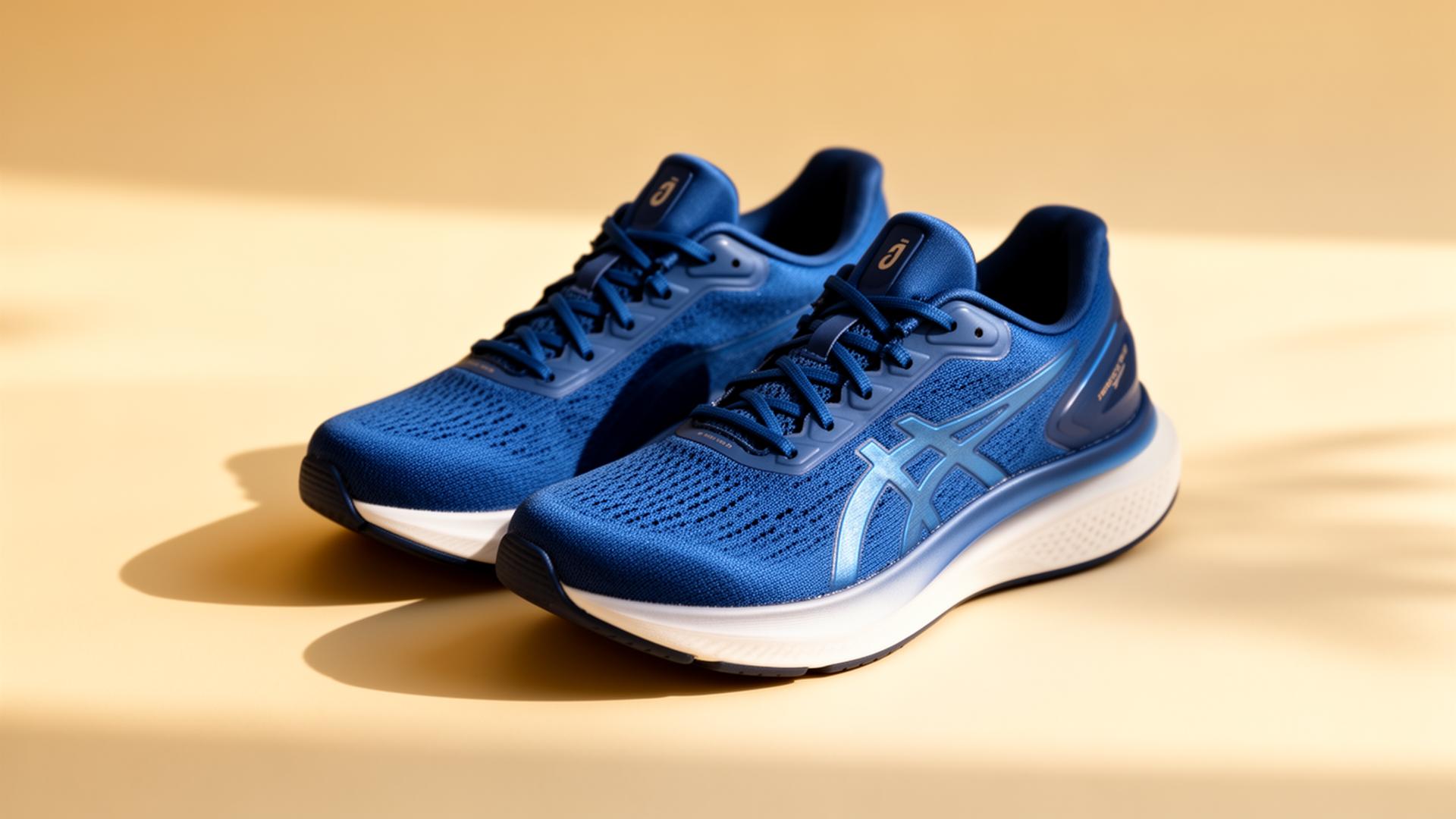
It started with a question I couldn't shake: why do my knees ache every time I push past 8 km?
I run four times a week. I stretch. I eat well. Yet every long session ends the same way — a dull throb on the outside of my right knee, a heel that lands too hard, and the creeping certainty that my body is fighting me instead of working with me.
Sound familiar? If you've ever finished a 10K thinking "this should feel easier by now", you probably know the feeling. We buy expensive watches, we track every heartbeat — and then we strap on shoes that have no idea what our feet are doing.
That disconnect between our biomechanics and our gear is the problem. And after months of testing, I found a fix that felt almost too simple: a pair of sneakers. But not just any sneakers.
The Science Behind Why Most Runners Are Hurting (Even With Premium Shoes)
Here's something most weekend athletes don't realise: the average runner overstrides on more than 70% of foot strikes. Your heel hits the ground ahead of your centre of mass, sending an impact spike straight up into the knee.
Dr. Irene Davis, founder of the Spaulding National Running Center at Harvard, has spent twenty years measuring this collision. Her findings are blunt: cushioning alone doesn't prevent injury — feedback does. Runners who can see what their feet are doing fix their form within weeks. Runners who can't, keep getting hurt.
Until recently, that feedback only existed in expensive lab treadmills with high-speed cameras and pressure plates. Now, it lives inside a pair of shoes that costs less than a decent sports watch.
Enter the Pepe Jeans Kenton Smart: Engineered, Not Marketed
When I started looking for a properly instrumented running shoe, I was overwhelmed. The market is flooded with "connected" sneakers that pair with an app once and then forget about you forever — clever marketing wrapped around a very ordinary midsole.
The Kenton Smart is different. Three sensors live inside the sole — one under the heel, one under the forefoot, one on the medial arch. They sample 200 times per second and feed the data to a companion app that talks back to you mid-run with quiet, useful advice: shorter strides, lighter heel, hold cadence at 178.
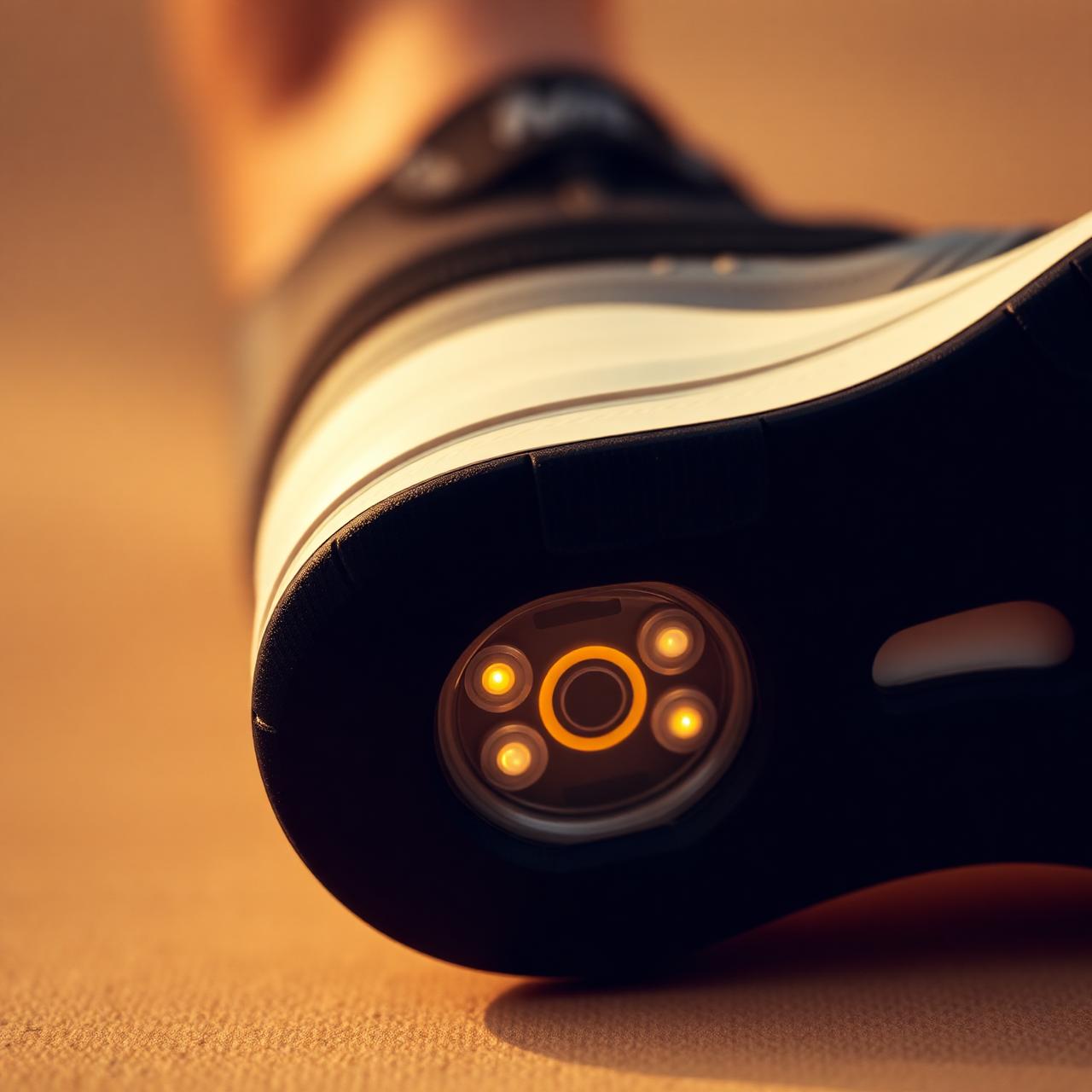
What immediately struck me wasn't the tech — it was the silence. The adaptive midsole compresses unevenly, softening exactly where your foot lands hardest. After ten minutes of jogging, I stopped hearing my own footfalls. After thirty, I'd forgotten I was wearing them.
My 30-Day Experiment: Week by Week
Week 1 — Scepticism Meets Data
I unboxed them on a Sunday, paired the app, and ran my usual 5K loop. By kilometre two the app had already flagged a 12% asymmetry between my left and right strike. I'd been running crooked for years and never noticed.
Week 2 — The Knee Pain Quiets Down
This is where it got interesting. The cadence prompts nudged me from 162 steps per minute to 176. That's a tiny change on paper. In my knees, it felt like switching from running on asphalt to running on grass. The Tuesday-night ache I'd carried for two years simply… stopped showing up.
Week 3 — Personal Best, Without Trying
I ran a casual 10K on a Saturday morning. Halfway through I realised I was four minutes ahead of my usual pace and nothing hurt. I finished with a personal best by three minutes and twelve seconds. No tempo work, no special preparation — just better form, learned in real time.
Week 4 — These Are Just My Shoes Now
It stopped being an experiment and became routine. The app still talks to me on long runs, but most of the time it stays quiet — because the form it taught me has stuck. The shoes sit by the door and I can't imagine going back to running blind.
What Other Runners Are Saying
"I'd been managing IT-band pain with physio for almost three years. Six weeks in the Kenton Smart and the cadence cue alone fixed what no stretching ever did. Genuinely surprised."
"As a coach I was sceptical — most 'smart' shoes are gimmicks. These are the first I've recommended to my entire amateur squad. The asymmetry data alone is worth the price."
"Bought them for half-marathon training. Lost 1:14 from my PB in eight weeks without raising my volume. The shoes teach you efficiency you didn't know you were missing."
Why the Kenton Smart Outperforms "Connected" Sneakers
| Feature | Kenton Smart | Typical Connected Shoe |
|---|---|---|
| Pressure sensors | 3 per shoe | 1 (toe) |
| Sample rate | 200 Hz | 25–50 Hz |
| Real-time form coaching | ✓ | — |
| Battery life | 6 months | 2–4 weeks |
| Replaceable sensor module | ✓ | — |
| Adaptive midsole | Variable-density EVA | Standard foam |
Who Benefits Most From Smart Sport Sneakers?
- Recreational runners stuck on the same pace for months
- Athletes recovering from knee, hip, or IT-band issues
- Beginners who want to build form before they build mileage
- Marathoners chasing the last 5% of efficiency
- Coaches who want objective data on their amateur squads
- Anyone tired of buying expensive shoes that all feel the same
Frequently Asked Questions
Do I need a subscription to use the smart features?
How long does the battery last?
Are they comfortable enough for everyday wear?
Can I use them in the rain?
What if they don't fit?
Will the data work with my existing watch or app?
Your Next Run Deserves Better Shoes.
Stop fighting your body. Let your shoes coach you.
Reviews From Real Runners
Nine unfiltered stories from people who laced up the Kenton Smart.
"I shaved 4 minutes off my 10K in a month. The cadence coaching is the real deal."
Elena Marchetti
Hobby runner, Turin
"Comfortable enough for a full workday and smart enough to fix my heel-strike. Worth every euro."
Lukas Weber
Architect, Munich
"I was sceptical about 'smart' shoes. After 200 km I'm a convert — knee pain gone."
Priya Shah
Triathlete, London
"Battery really lasts. Six months in and the sensors still sync flawlessly."
Tomás Rivera
Trail runner, Madrid
"Bought a pair for my wife, ended up buying a second for me. The Strava sync is seamless."
Henrik Lindqvist
Engineer, Stockholm
"As a physiotherapist I recommend them to clients recovering from IT-band syndrome."
Dr. Camille Dubois
Physiotherapist, Lyon
"The asymmetry data alone changed how I train. I had no idea I was that lopsided."
Joana Ferreira
Marathoner, Lisbon
"Light, breathable, and surprisingly stylish. They look nothing like a 'tech' shoe."
Niamh O'Connor
Graphic designer, Dublin
"First running shoes I've owned that actually made me faster instead of just newer."
Andrei Popescu
Amateur racer, Bucharest